

Avenue Montaigne is one of those Parisian streets where history coexists effortlessly with the present. A street where architecture, art and the lives of extraordinary people have culminated over time to create things greater than the street itself.
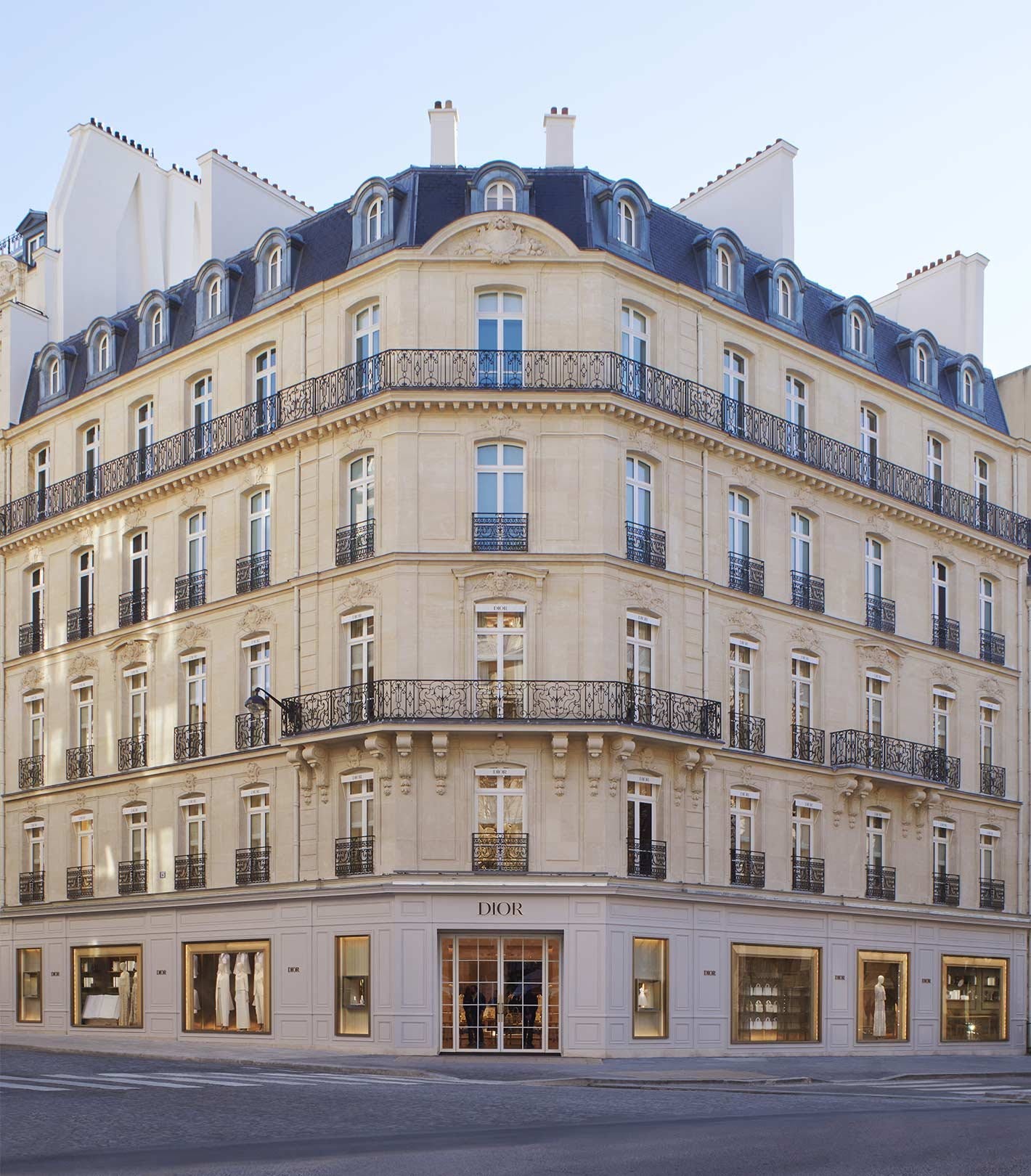
The illustrious Avenue Montaigne evokes haute couture, jewelry, grand hotels, great mansions and fine dining. Yet, its beginnings were considerably more modest. Once a mere walking path on the outskirts of Paris, the avenue gradually grew into one of the city’s most prestigious addresses. Cultural life was enriched by the opening of the Théâtre des Champs-Élysées in 1913, while expansive residences, hotels and the arrival of couture houses transformed the avenue into a symbol of Parisian elegance.
Fittingly renamed in 1850, after Michel de Montaigne (the great Renaissance writer and philosopher whose Essais explored human nature, experience and the art of living), the avenue’s name is revered given its close association with the art de vivre.
Just as fitting, is the occupant of number 30. A design house that would give the avenue one of its most enduring chapters, Christian Dior.
30 Avenue Montaigne
Dior established his mansion here in 1946, determining to be more than a fashion house. He understood instinctively that couture was about something beyond the garment itself. The architecture, interiors, flowers, fragrance and the manner in which clients were received all contributed to the experience.
Dior worked with decorator Victor Grandpierre to create the elegant interiors of the couture salons, establishing the refined setting in which his collections would be presented.
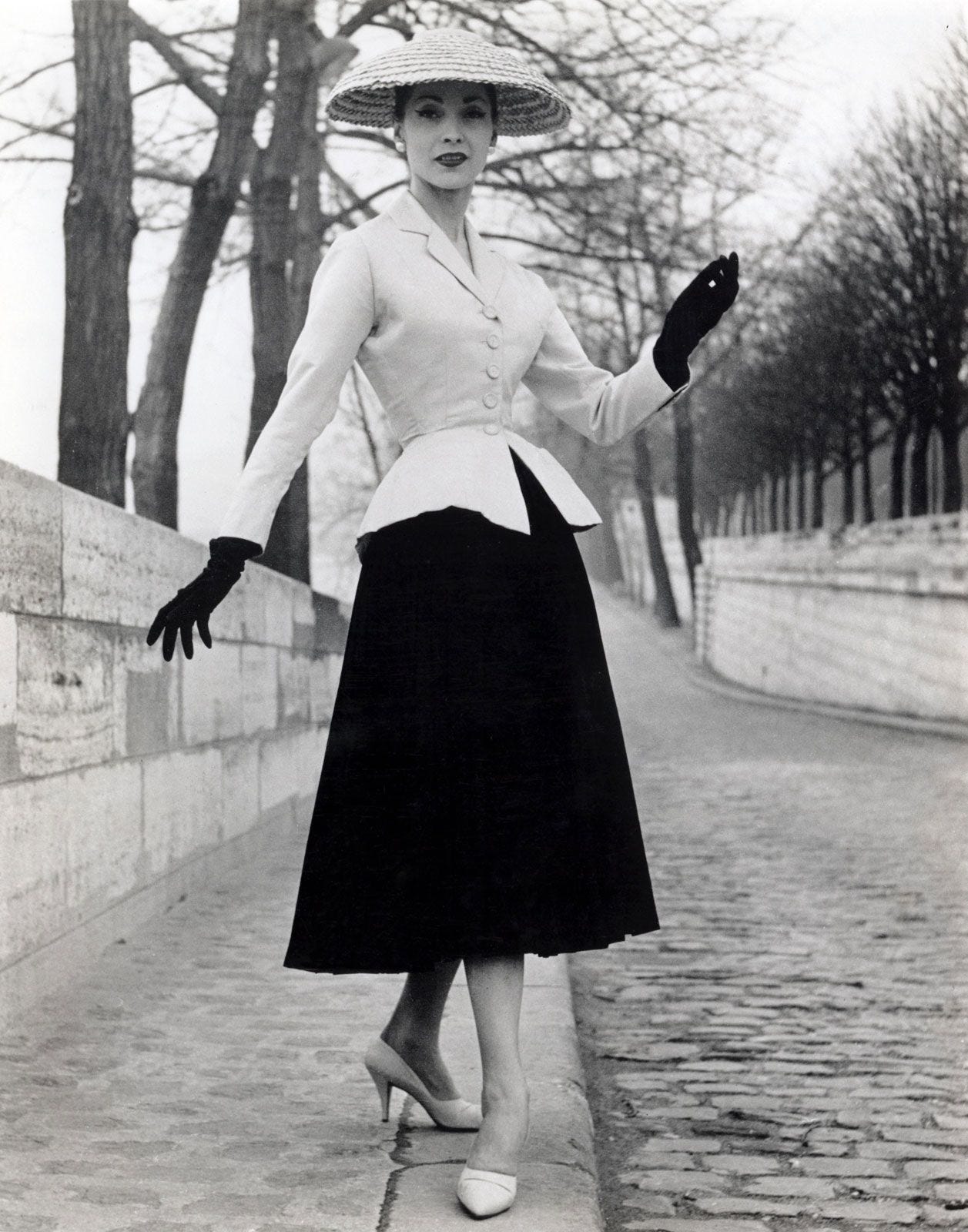
On 12 February 1947, these rooms witnessed a moment that would change fashion forever. Dior presented his first collection, introducing silhouettes that brought a new sense of femininity after the austerity of the war years. The sculpted waist and the generous proportions of the Bar suit became emblematic 1947 haute couture collection, tailored by a young Pierre Cardin, while Carmel Snow of Harper’s Bazaar famously described the collection as a “New Look.”
The Dior name became household, as did the address. Having contributed to the creation of a visual language through his designs, the legacy of the famous fashion house was not in doubt and continues to influence fashion today.
Entering the Dior Story
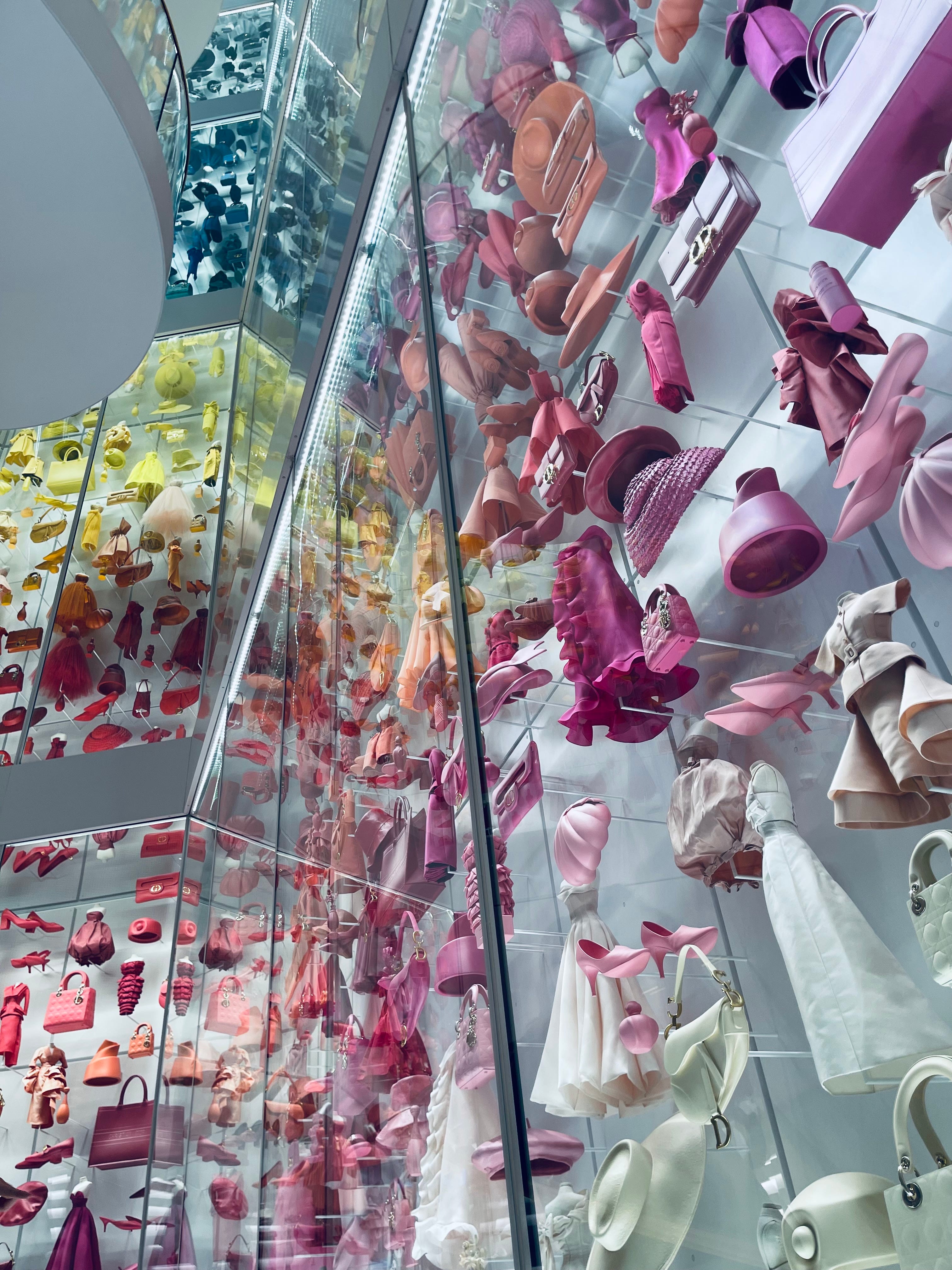
La Galerie Dior, which opened to the public in 2022 within the transformed 30 Montaigne, served as a culmination of Dior’s prominence. Original garments, sketches, photographs, archival material and couture pieces trace the evolution of the maison from Dior through the designers who followed him, including Yves Saint Laurent, Marc Bohan, Gianfranco Ferré, John Galliano, Raf Simons and Maria Grazia Chiuri.
It was incredible privilege for me to tour the Gallery firsthand, during a visit to the Dior house in 2025.
There is something particularly compelling about seeing these pieces here as opposed to in a conventional museum. Of course, touring the exhibit with the fashion house itself is part of the story. The rooms, the couture, the drawings and the photographs are connected to the place where so much of Dior’s history actually unfolded.
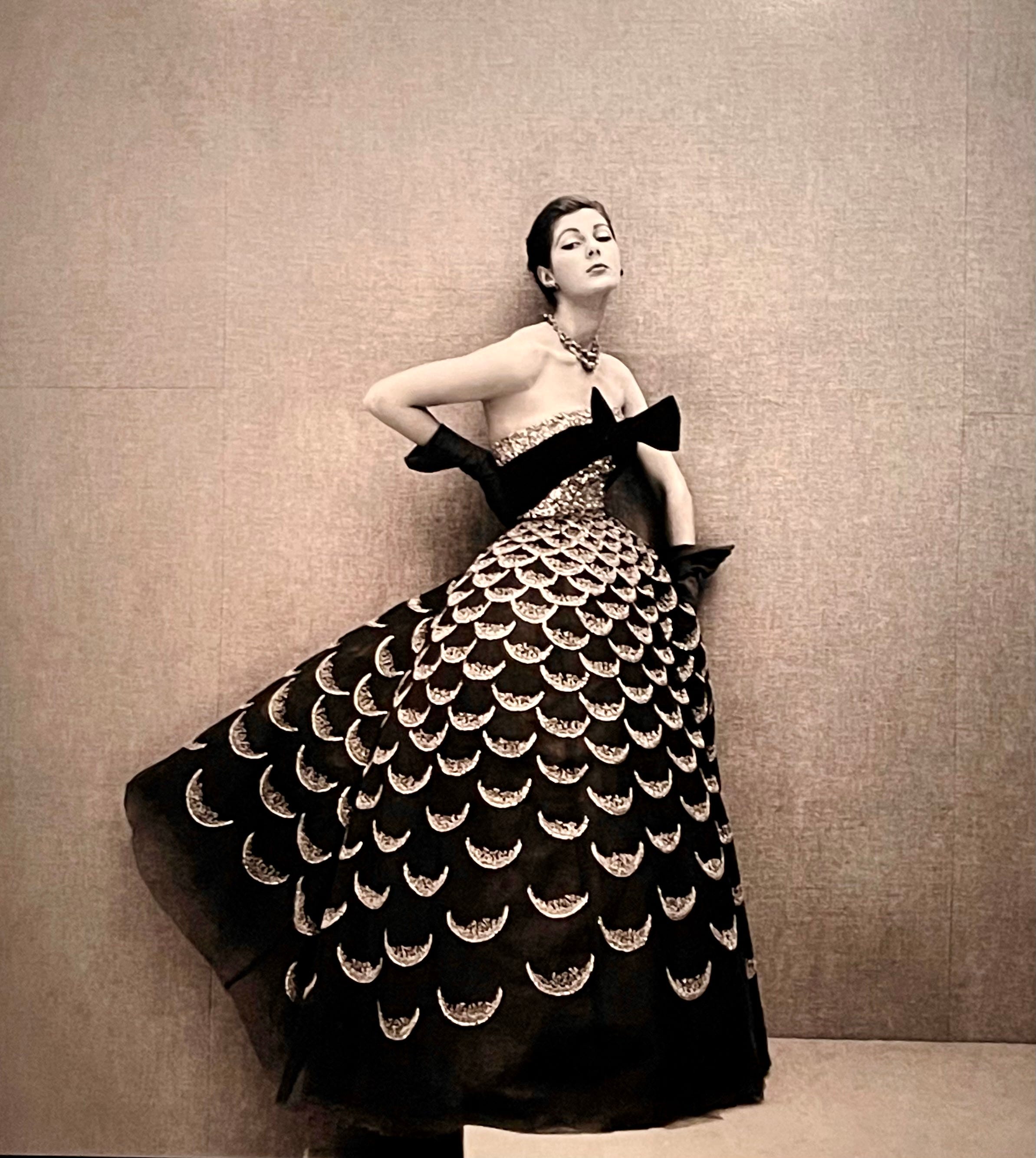
Among the silhouettes that have become inseparable from Dior’s history, the Bar Jacket remains perhaps the most recognizable expression of the New Look, while later creations and accessories including the Lady Dior, 30 Montaigne and Dior Book Tote, each have become signatures of the modern maison.
Walking through the Gallery, one is reminded that behind every renowned silhouette are drawings, fabric, extraordinary craftsmanship and the hands of the petites mains who turn an idea into reality.


The Backbone of Haute Couture
The transformation of the historic address has been trusted to architect Peter Marino, who has brought together heritage and contemporary design on an extraordinary scale.
Today, 30 Montaigne encompasses much more than a boutique. The Living Archive- Gallery, Dior Kaleidoscope, Couture, Prêt-à-Porter, Haute Joaillerie, , Horticultural Sanctuary and Epicurean Artistry, have been brought together within one destination, creating a world in which fashion and the broader culture of luxury can coexist.


This is part of a wider change taking place across the luxury industry. The great mansions are increasingly becoming places where fashion, art, books, music, architecture and cuisine meet.
True luxury today is no longer just about the product. It is about the profound artistry that brings to life. The time bestowed, the mastery shared, the passing down of heritage, and the exclusive invitation to step inside a world of discovery, the opportunity to discover absolute perfection.
Returning to Dior
We had visited Monsieur Dior previously for lunch, before the restaurant received its Michelin star. Following that meal, chef had requested our presence to discover La Galerie Dior, allowing us to move from the contemporary world of restaurant into the extraordinary history of the mansion.
Returning this time with family felt different, yet wonderfully familiar.


Our afternoon began in the Dior boutique, where the sales team greeted us and invited us to discover the capsule collections. They gave us their time and consideration, allowing us to browse, ask questions and appreciate the mastery without feeling hurried.
It was a lovely reminder that hospitality is often found in the smallest details someone taking the time to introduce you to a new piece, sharing their acumen, recognizing what interests you and making a returning guest feel genuinely appreciated.
A Star is Born
After our time with the collections, we ventured upstairs to Monsieur Dior. This time we were there for desserts, but there was also something to celebrate.


Monsieur Dior received its first Michelin star after only seven months of opening.
An extraordinary achievement, and for us it made the return particularly enjoyable because we were able to share our before and after story with our family.
The recognition came in the 2026 Michelin Guide, celebrating the restaurant under Yannick Alléno, whose career has made him one of the most recognized figures in contemporary French gastronomy. He took charge of Monsieur Dior in September 2025, bringing considerable expertise to a restaurant conceived as another expression of the Dior universe.
The connection between Dior and Alléno is an intriguing one. Fashion gastronomy may appear to belong to different worlds, yet both depend upon imagination, precision, craftsmanship and an obsessive attention to detail.
At Monsieur Dior, the cuisine reflects that relationship, drawing inspiration from the house, its archives, silhouettes and natural motifs.
The warmth of the team as we returned to celebrate them was a lovely continuity, the star had brought recognition, but their hospitality remained personal.
Christian Dior created a house in which aesthetics was never isolated from its surroundings. Decades later, that philosophy has expanded into something much larger, a place where couture, architecture, history and culinary arts can all be accomplished within the same address.
“Hospitality is the invitation to wander and gather inspiration, to admire and discover, to learn and to feel.” - Kiran Robinson
Perhaps Dior knew instinctively that a client’s feelings upon entering his world truly mattered.
Nearly eight decades later, though luxury has evolved completely, the heart of it remains unchanged. It is about how you enfold people within the world you have created.