

As we celebrate Independence Day, America’s 250th Anniversary, I find myself reflecting on something far beyond fireworks, parades and summer traditions.
How has hospitality shaped and contributed to the freedoms enjoyed in the United States?

Every nation has defining moments in its history, but perhaps its greatest contribution is the footprint it leaves for generations that follow; not simply the legacy of a nation, but the way ideas contribute to its development.
Freedom has encouraged enterprise, education, innovation, travel and the exchange of cultures. It has inspired generations to build businesses, create communities, welcome strangers and transform simple acts of hospitality into professions that continue to connect the world.
Hospitality has always existed. Long before it became an industry, it was an ultimate expression of generosity.
In many cultures, including my own, this philosophy has deep roots. In India, Seva represents selfless service offered with humility, compassion and respect. It asks for nothing in return. It reminds us that true hospitality begins not with buildings or brands, but with people.
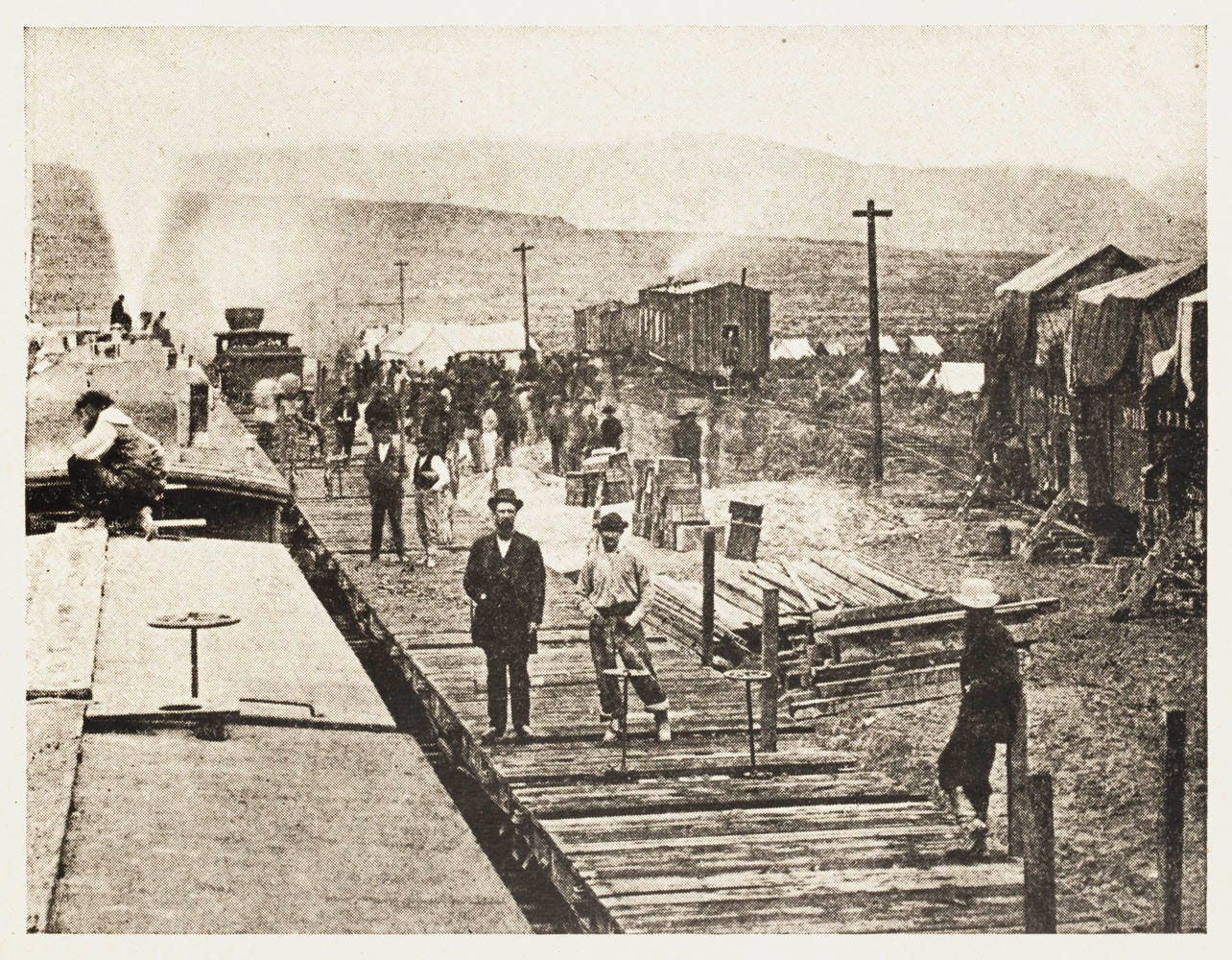
As America expanded westward, its growing railroad network transformed the way people travelled. Communities became connected. Journeys that once took weeks became possible in days.
Hotels emerged not merely as places to rest, but as places where travelers found comfort, conversation and reassurance whilst far away from home. Restaurants became places where culture met across a shared table, and hospitality evolved alongside the nation’s remarkable growth.
Among those whose intellectual lineage continues to influence modern hospitality was Conrad Hilton. His unwavering vision “fill the earth with light and warmth of hospitality” became far more than a guiding principle for one company. It established a philosophy that continues to inspire hospitality professionals around the world.
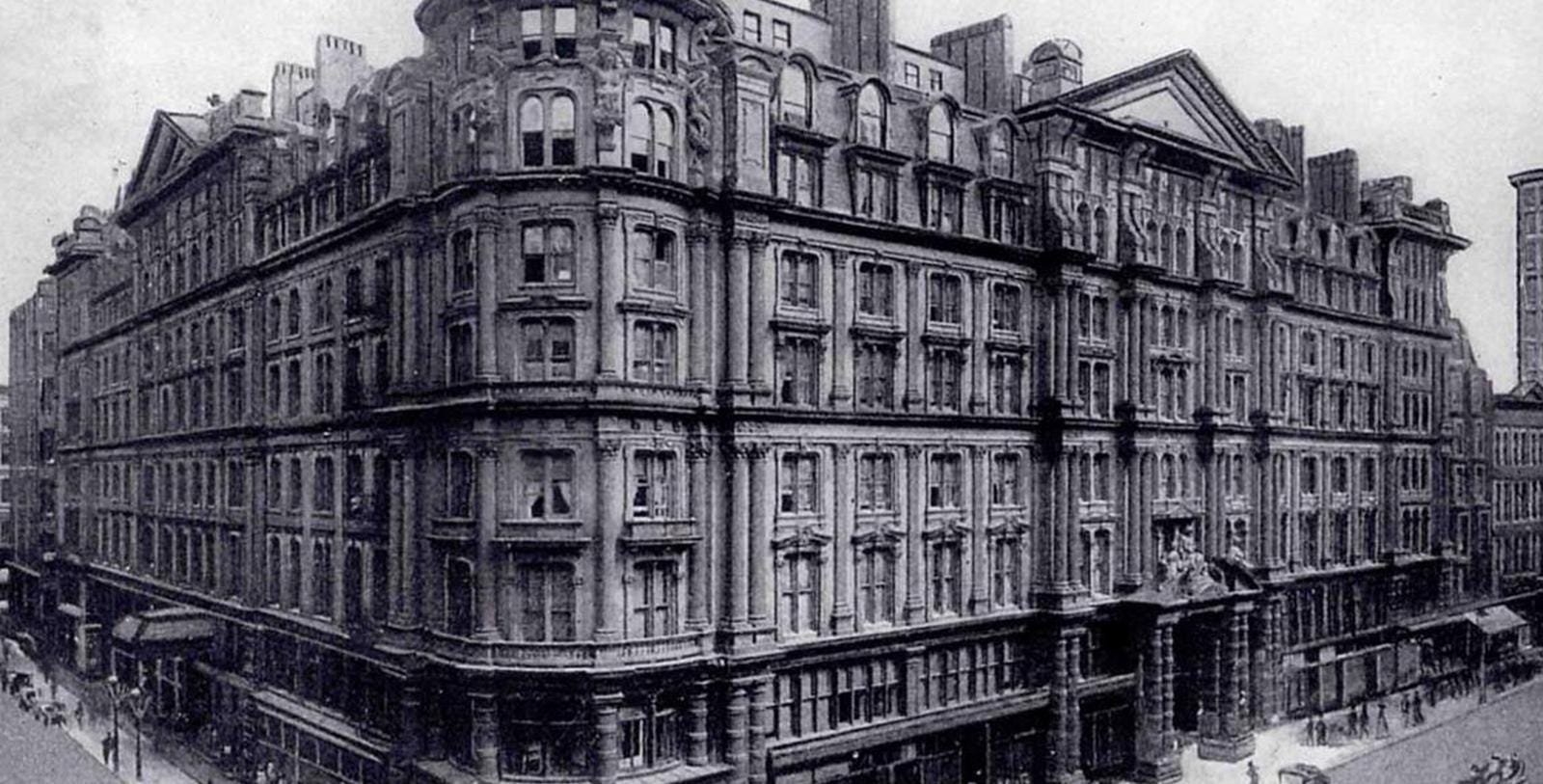
Equally significant was the quintessence of Ellsworth Statler, who believed that exceptional hospitality should never be reserved for a privileged few. By raising standards whilst making quality accommodation more accessible, he transformed expectations for travelers everywhere.
His philosophy was refreshingly simple:
“Life is service. The one who progresses is the one who gives his fellow human beings a little more, a little better service.” ~ Ellsworth Statler
What strikes me most is that neither man spoke first about buildings, architecture or profit. They spoke about people. Their greatest achievements were not the hotels they built, but the values left behind.
Over the past few weeks, I have come to appreciate that legacy is rarely found in the buildings we admire. It lives in the people who give those places their character.
Whether visiting Filoli Gardens, experiencing the gracious hospitality of Village Pub in Woodside or observing the thoughtful professionalism at Rosewood Sandhill, each place expressed the same truth in its own distinctive way. Architecture may inspire admiration, but people create legacy!
Perhaps that is why hospitality remains one of the world’s greatest ambassadors. Every hotel, restaurant, railway, and gathering place represents far more than its physical purpose. Together they encourage discovery, celebrate diversity and create opportunities for conversations that might never have happened otherwise.
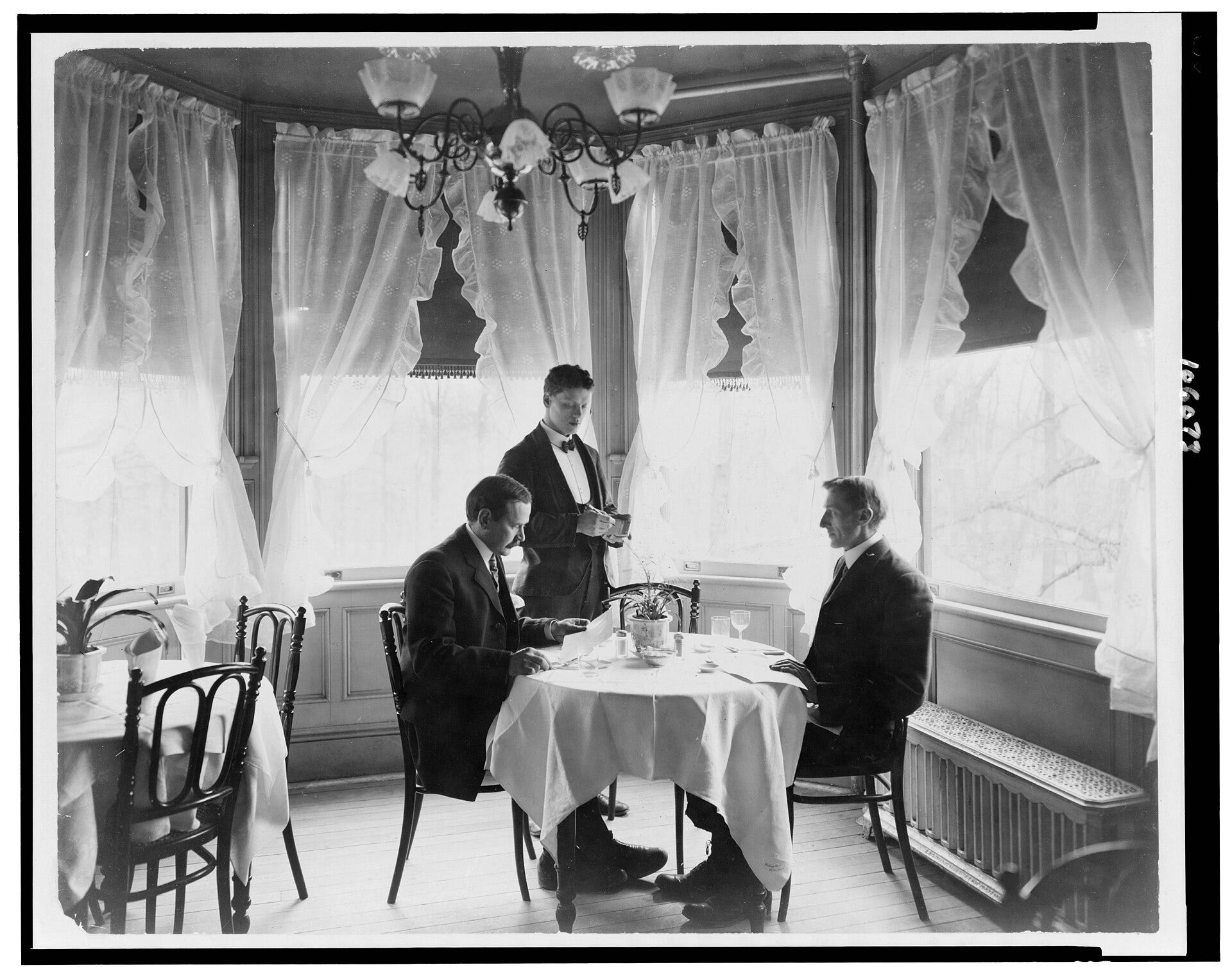
Through hospitality, strangers become guests, and unfamiliar places begin to feel remarkably familiar.
As the United States of America celebrates its Independence, I am reminded that the values of freedom and Seva are not as different as they first appear. One celebrates the liberty to dream, build and explore. The other reminds us that our greatest achievements are measured by how we serve others along the way.
Perhaps that is the true meaning of legacy. It is not measured by the size of an organization, the beauty of a building or the success of a destination. Legacy lives in the values long after the ink has dried.

Freedom created opportunity. Hospitality gave that opportunity a human face. Seva reminds us why it matters. Together they leave us with a timeless responsibility: to ensure that every person we welcome feels respected, valued and that, even for a fleeting moment, they belong.
If we can leave people with that feeling, then perhaps that is the most enduring legacy any of us can hope to create.
“The most perennial legacy is never the place we build, but the way people feel because we were there. Hospitality gives everyone of us the opportunity to keep that spirit alive, one welcome at a time.” - Kiran Robinson
I like the idea that hospitality existed before it became an industry!
Hotels and restaurants are just the structures we built around something much older (and powerful): the simple act of making someone feel welcome.