

This week I start a new series on the enormous benefits of cooking and in rediscovering the kitchen. First, a simple proposition:
The kitchen is not a place reserved for the confident, but a place that builds confidence in return.
Many step away from cooking not through lack of ability, but through hesitation often shaped by past mistakes or the quiet belief that one is not naturally suited to it. Yet the kitchen asks for very little at the outset. Only presence, patience, and a willingness to begin without certainty.
In returning to it, we rediscover something fundamental: that skill is not innate, but formed; that understanding comes through doing; and that nourishment, when prepared by one’s own hands, restores not only the body, but a sense of capability that extends far beyond the stove.
I hope you enjoy this series. And I welcome your comments and feedback.
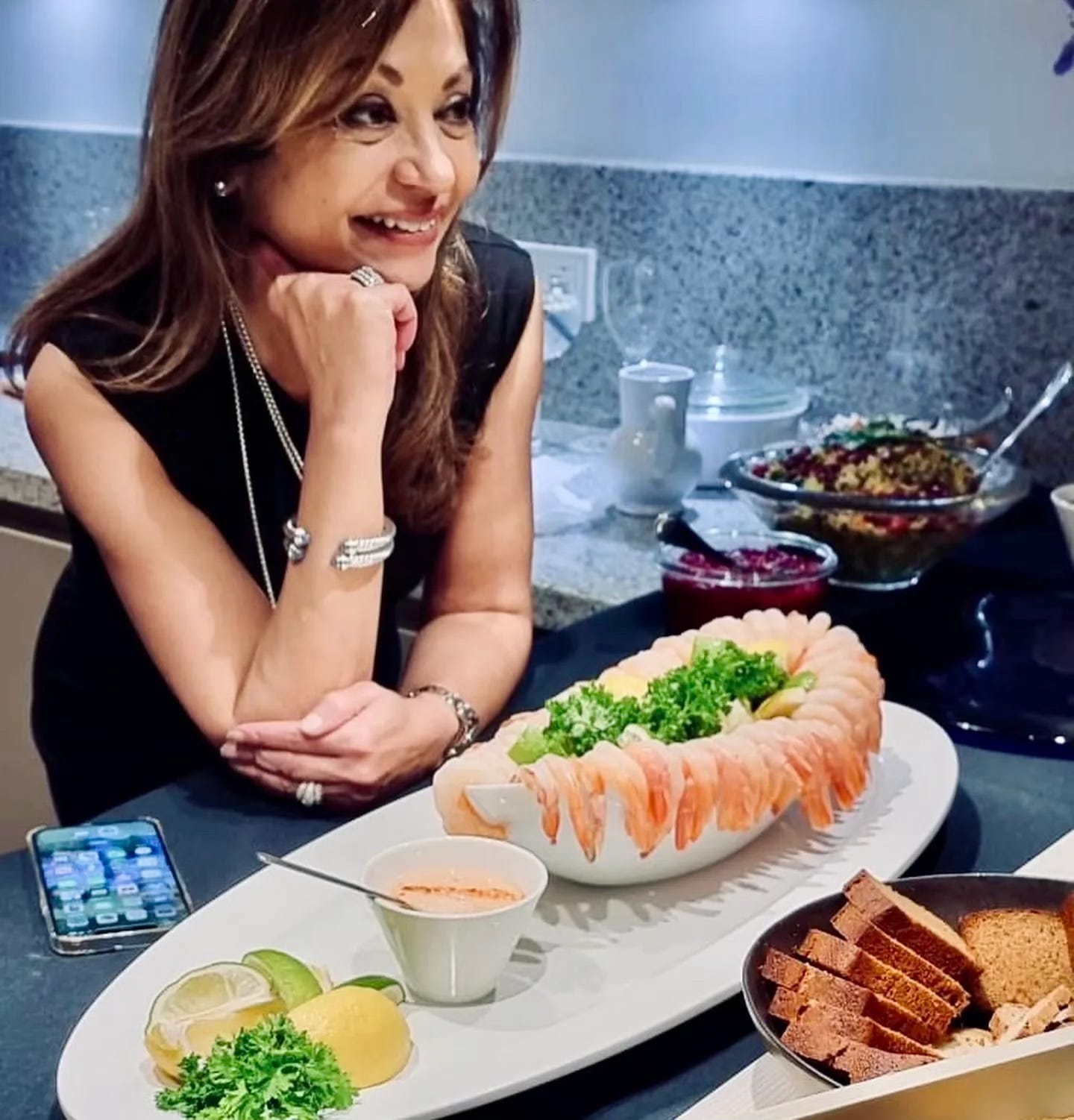
The Hidden Benefits of Cooking
I love to cook! I started at a very young age and never lost my desire to be in the kitchen. That’s not always the case with many people. Cooking can seem intimidating and overwhelming, especially with our hectic lifestyles. But there are so many benefits to being in the kitchen, that we should all stop and reconsider our relationship with cooking and the kitchen.
Cooking at home offers a range of psychological benefits, rooted in its ability to anchor attention and create a sense of progress. The sensory, hands-on nature of preparing food encourages a form of mindfulness, helping to reduce stress and interrupt cycles of overthinking. Research highlighted in Psychology Today notes that cooking can support emotional regulation in ways similar to therapeutic practices such as behavioral activation, providing structure, purpose, and a tangible sense of completion.
At the same time, repeated success in the kitchen builds self-efficacy and confidence, reinforcing the belief that one is capable of learning and improving over time. A systematic review published via National Institutes of Health further found that cooking interventions are associated with improved mood, self-esteem, and overall psychological well-being.
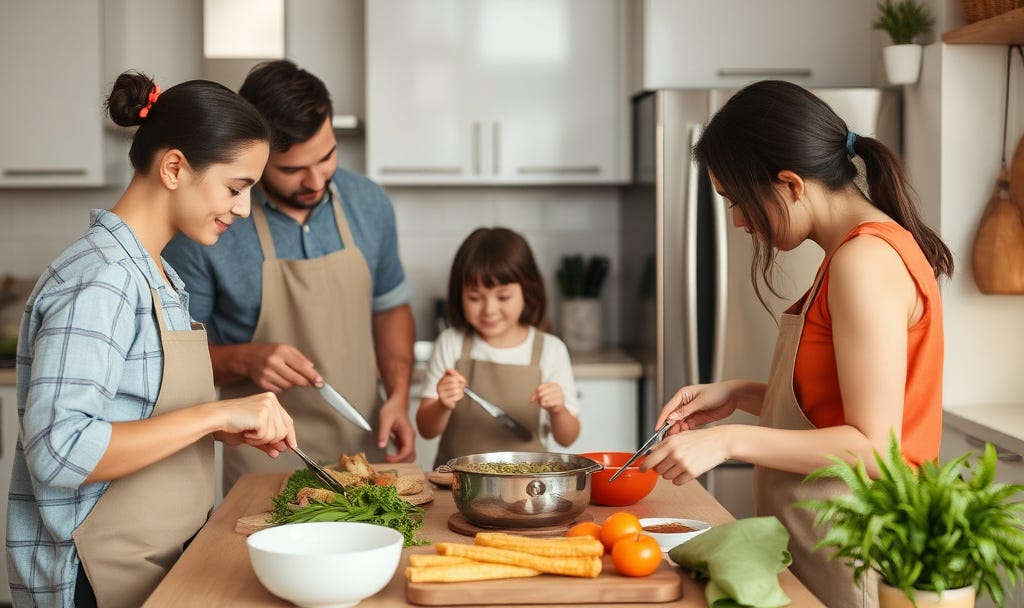
Beyond emotional health, cooking engages and strengthens cognitive function. It requires planning, sequencing, attention, and adaptability; skills linked to executive functioning and long-term brain health. Regular engagement in cooking has even been associated with a reduced risk of cognitive decline in later life, likely due to this combination of mental stimulation and practical problem-solving.
At a physical level, home cooking also supports better nutrition, with studies showing that those who cook more frequently tend to consume fewer processed foods and maintain healthier dietary patterns, contributing to reduced risk of chronic disease.
Taken together, the evidence suggests that cooking is not merely a domestic task but a multidimensional practice. It integrates mental focus, physical activity, creativity, and nourishment into a single routine. In doing so, it fosters independence, reinforces daily structure, and creates opportunities for connection, whether through shared meals or the simple act of preparing food for oneself.
Clearly the benefits of cooking are enough to get us back in the kitchen. However, for those who have lost touch with or never found their way to the kitchen, let’s start by building some confidence.
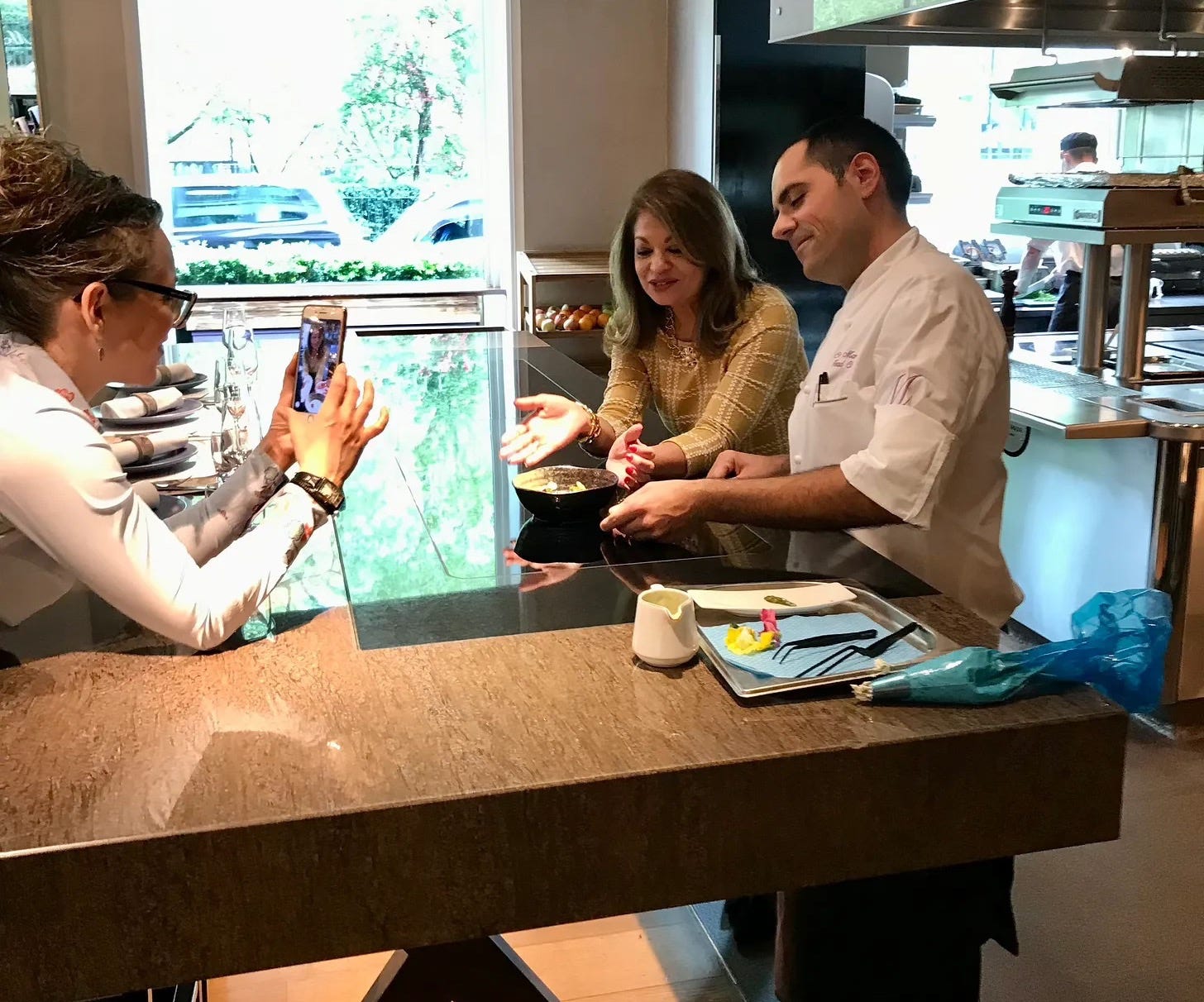
Learning to Learn
There is a difference between knowing something and understanding it well enough to use it with confidence.
In a kitchen, that difference becomes visible almost immediately.
Most days during my nearly 18 years in hospitality at a major medical center started with morning meetings. I recall a conversation during our morning huddle with Lorenzo, my sous chef. He asked, with complete sincerity, why anyone needed formal learning at all. “I can search anything [on the internet],” he said. “If I need to know something, I will find it.”
In reply, I suggested: learning is more than collecting answers. It is about building a foundation that allows those answers to make sense over time. Without that, knowledge remains scattered. With it, everything begins to connect.
In the kitchen, this knowledge connection becomes evident through the hands.
A knife, for example is not simply a tool. It is a responsibility. How it is held, how it moves, how it respects the ingredient in front of it, these details define the outcome long before heat is applied.

One can watch a video, follow a step, repeat a motion. But true understanding comes through repetition guided by awareness.
Lorenzo began to see this over time. Not through instruction alone, but through practice. The same cuts, again and again. The same preparation, refined with each attempt. What once required thought became instinctive.
This is the purpose of foundation.
Heat follows the same principle. Too high, and ingredients lose their integrity. Too low, and they fail to transform. Understanding heat is not about numbers alone, but about observation. The sound of a pan. The change in aroma. The shift in texture. These are cues that no search engine or AI chatbot can fully teach. They must be experienced.
Building the Foundation
For those entering the kitchen at any stage of life, this is where confidence deepens. Not in complexity, but in control. The ability to prepare an onion evenly. To recognize when vegetables have softened enough. To move with intention rather than hesitation.
In hospitality, these foundations are non-negotiable. Every member of the team, regardless of experience, returns to them repeatedly. Not because they are simple, but because they are essential.
At home, the same discipline brings a different kind of reward. It allows cooking to become steady and reliable. A source of nourishment that does not depend on convenience or compromise. It protects health, supports those we care for, and restores a sense of independence that many have set aside.
For older generations, this can be a rediscovery. For younger ones, a beginning. For families, a shared practice that strengthens over time.
Foundation is not restriction. It is freedom built slowly.
Lorenzo understood this eventually. Not through argument, but through experience. The more he learned in structure, the more confidently he moved beyond it. What once felt limiting became enabling.
This is the strength of learning properly. It does not confine, rather it prepares.
And once the hands understand, the kitchen begins to feel less like a place of uncertainty, and more like a place of capability.
A Practical Test

A simple vegetable soup recipe that teaches control, patience, and respect for ingredients. It relies on preparation not complexity.
Ingredients:
1 each onion, carrot, parsnip, celery stalk, peeled and diced
1 potato, peeled and cubed
1 clove garlic, crushed
1 litre water (cups)
2 tablespoons olive oil
Salt & Pepper to taste
Tools:
Sharp Knife, Chopping Board, Large Pot, Wooden Spoon, Ladle
Method:
Warm olive oil in pot over medium heat. Add the onion, carrot and celery. Cook until softened, stirring occasionally.
Add the garlic, cook briefly. Add the potato & parsnip, followed by water.
Bring to a boil, then reduce heat and allow to simmer until all vegetables are tender.
Season with salt & pepper. Taste, adjust, and serve. This can be refrigerator or even freeze to use as stock, soup, sauce for preparing or serving with a variety of dishes.
This recipe teaches: consistent knife work, control of heat, layering flavor through sequence, patience in cooking from raw ingredients.
After seven years in my kitchen, Lorenzo moved on to his next sojourn. He had grown from a dishwasher to a sous chef, shaped by time, repetition, and a deepening understanding of his craft.
When he left, his message stayed with me. “You will always be my work-Mom.” It was a simple sentence, yet it carried the weight of everything he had learned. Not only skill but understanding, instruction and trust.
That is what the kitchen can offer when we allow ourselves to begin. A place to learn, grow, and to carry something forward that remains long after we step away.
Lorenzo's "You will always be my work-Mom" is the whole piece. Seven years of repetition, correction, and patience, and that's what he carried out the door. Not a technique. A relationship built inside the work.
Enjoyed your article and looking forward to more on this series
Simple soup recipe sounds so healthy !
Happy Easter