

This week we continue Rediscovering Cooking and the value of creating a standard in your kitchen.
There is a natural eagerness that arises when we step into the kitchen. We want to begin, to move, to create. Yet this eagerness can lead us forward before we have fully understood what is required.
A recipe may appear straightforward, a list of ingredients familiar, and the process assumed. It is often in this assumption that mistakes take shape.
From the type of food being prepped to the level of cleanliness, every kitchen needs standards. A baseline for how it “operates”, whether in the home or in a professional setting.


Reading with Intention
A recipe is not simply a sequence of steps. It is a structure that guides timing, balance, and outcome. When read carefully, it offers clarity. When rushed, it leaves room for error.
To read with intention is to pause and take in the full picture. Understanding before action allows the cook to move with purpose rather than hesitation.
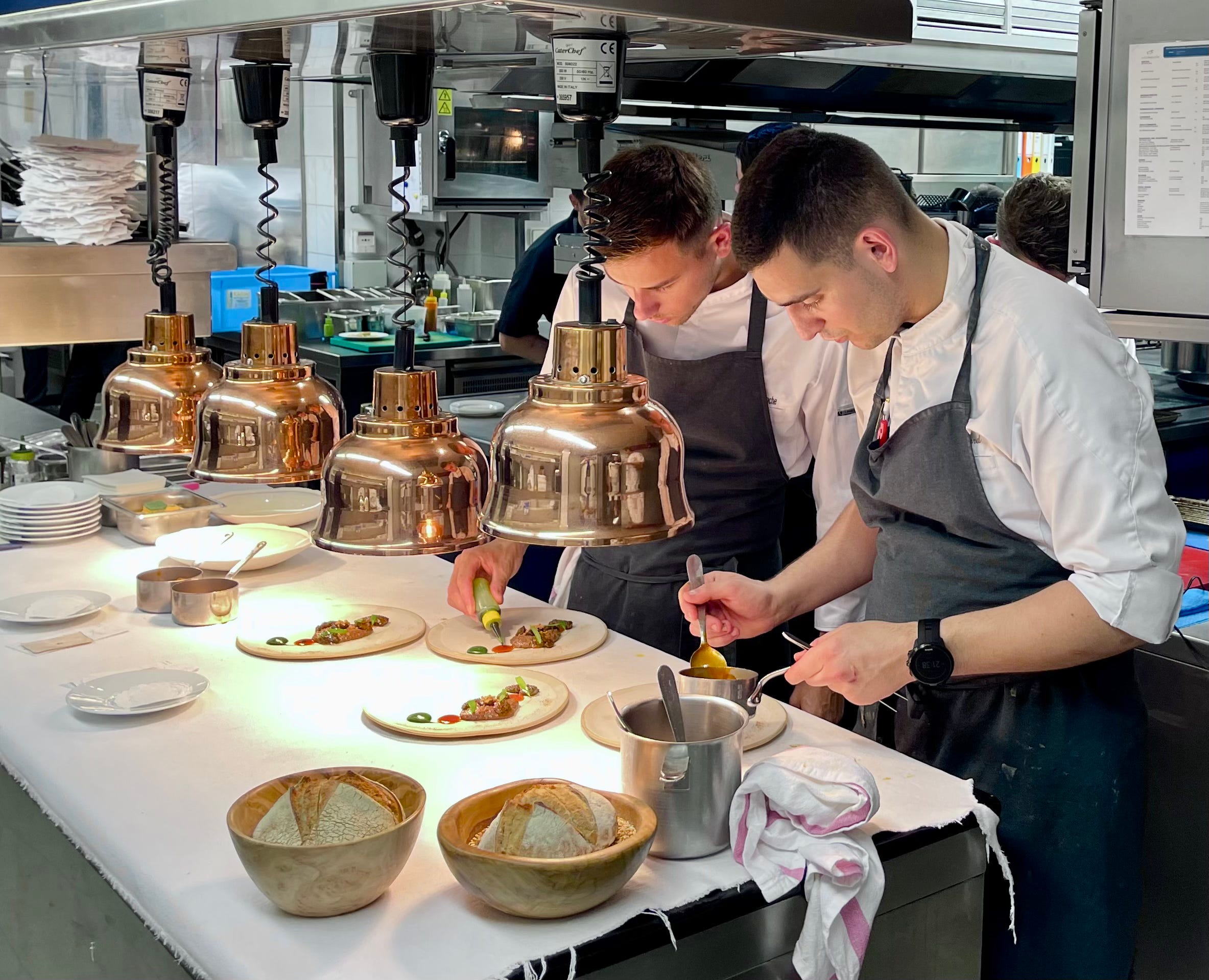
I was reminded of this when I hired three young men in my kitchen. There was energy and enthusiasm, and I believed their presence would strengthen the kitchen.
Instead, a different dynamic emerged. Each one wanted to prove himself, to move faster, to demonstrate capability without first grounding himself in the fundamentals.
In their effort to perform, attention began to slip. Recipes were skimmed rather than understood. Measurements became estimates. Labels were not checked with the care required ain a professional kitchen.
These were not deliberate choices, but the result of moving ahead without full comprehension.
Creating & Maintaining a Standard
Just before a compliance inspection, I noticed what had been missed. Labelling was incorrect. Processes had not been followed precisely. These were not minor oversights. They carried real consequences, both for those we served and for the integrity of the kitchen itself.
I remember speaking with my sous chef, Oscar, in that moment. He had been moving quickly, trying to keep everything running, yet had overlooked the importance of stepping back to read and verify.
We stood together and viewed each detail, not as a correction alone, but as a reminder of what the role truly required. It was not only about producing dishes, but about protecting the standard behind them.
He understood from that point forward, his approach changed. He became more deliberate, attentive, and aware of the responsibility carried in every decision made in the kitchen.
I had to address it directly. They were held accountable, not to discourage them, but to reinforce the responsibility that goes with preparing food.
In hospitality, there is no space for assumption. Every ingredient, every label, every step matters. The standards we uphold are not for appearance. They exist to protect and to serve. In other words, upholding the standards.
That moment marked a change. They slowed down. They began to read each recipe fully before starting. Labels were checked with care. Ingredients were handles with greater awareness.
Their confidence grew, not through speed, but through understanding.
Ingredients Tell A Story
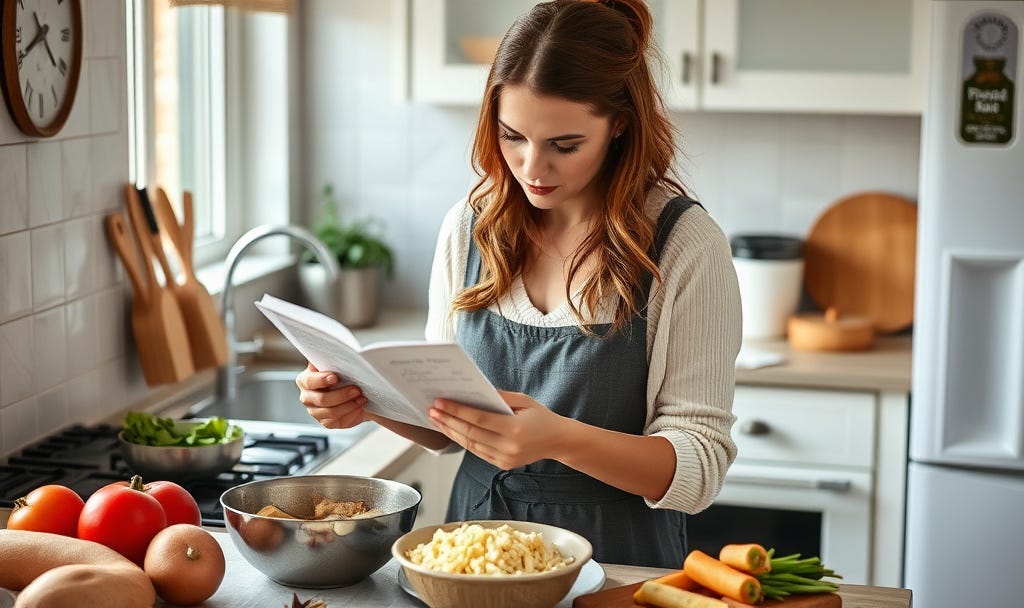
This lesson extends into every kitchen, especially to the home kitchen. Reading a recipe from beginning to end before starting creates a sense of readiness. It allows each step to follow naturally, reducing uncertainty and building confidence.
Reading labels carries equal importance. Ingredients tell a story. They reveal what has been added, what has been preserved, and what may not be necessary.
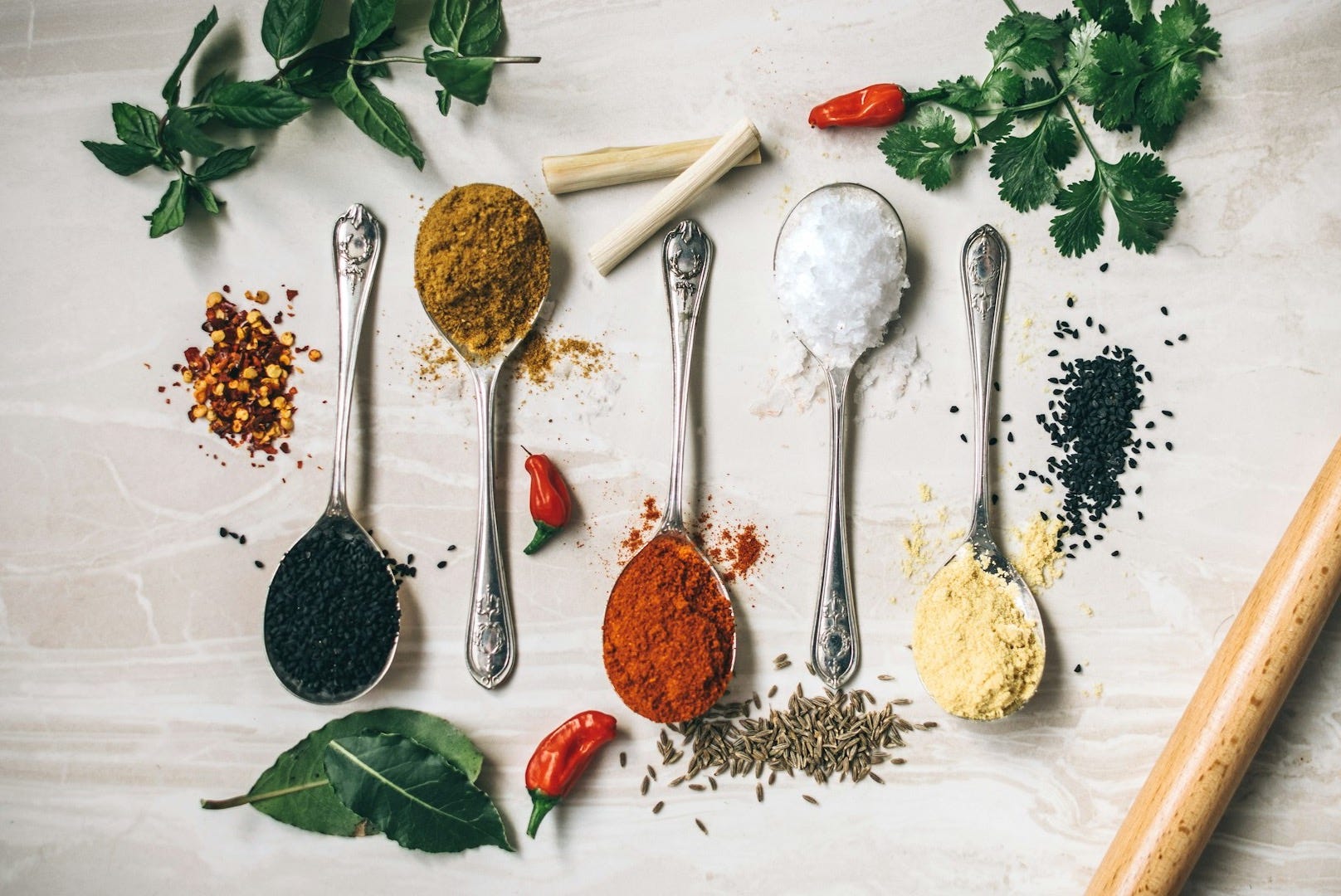
To read them is to make informed choices. It is a way of protecting those we cook for, especially children, elders, and those with specific needs.
Returning to the kitchen means more than just learning to cook. It is to rediscover a way of caring (a standard of care) that is thoughtful and deliberate. When we understand what we prepare, we take responsibility for what we serve.
Cooking then becomes more than a task. It becomes a practice of attention and respect. It connects us to those we feed and reminds us that every meal carries meaning beyond the plate.
Quenelles of Goat Cheese on Figs

This recipe teaches us the essence of balance, freshness, and clarity in ingredients.
Ingredients:
6 Large Fresh Figs, halved lengthwise (high fiber content, rich in minerals, antioxidant powerhouse, energy booster)
6 Quenelles (a term taken from the French cuisine referring to a mixture of cream shaped into a soft football) of Soft Goat Cheese
Tools: Bowl, tablespoons, knife cutting board
Method: Place warm or fresh figs on plates, top with a quenelle of cheese, sprinkle with pistachios and drizzle with honey.
Shape quenelles by using two warm tablespoons to form an oval shape from the mascarpone mixture.


I often return to that moment, just before the inspection, when small oversights revealed something greater. It was not only about labels or process, but about responsibility.
Those young men left with a clearer understanding. In hospitality, care is found in the details, and nothing is too small to matter.
What we serve is not only food, but the standard we choose to uphold.