

Behind every memorable meal and flawless service is a network of people who move with purpose and precision. They study the region, the harvest, and the hands that tend it, ensuring that every component arrives at its peak. This is the world of sourcing and acquisition, the pulse beneath hospitality’s surface.

This article continues our exploration of the people who shape hospitality. In previous pieces we reflected on the concierge and the chef. Each role represents a distinct layer within the greater arc of service that defines the guest experience.
Now we turn to another essential discipline, one that operates before menus are written and before kitchens begin their work. Procurement teams establish the relationships and resources that allow hospitality to flourish.
Alliances with the Estate
Some of the most meaningful work in sourcing begins far from the dining room.

During my years in hospitality leadership, I invited regional cultivators and artisans to meet with our culinary and acquisition teams. We gathered to understand what could realistically be grown and delivered within a one-hundred-mile radius. Growers spoke openly about harvest cycles, seasonal conditions, and the quantities they could provide.
Those discussions helped guide our menus so they reflected the estate and its seasonal offerings rather than competing with it.
Later in the cycle we welcomed these purveyors back for tastings. Chefs, cultivators, and supply chain colleagues sampled provisions together while discussing preparation, pricing, quantities, delivery schedules, and packaging. These sessions strengthened our shared understanding and allowed everyone to plan with clarity.

In the dining room our philosophy menu was designed to celebrate market-driven cuisine with bold flavors, showcasing components at their peak. Each dish highlighted with sustainably harvested, homegrown produce, reflecting the cycles of the region.
Procurement played a crucial role in bringing this vision to life, ensuring that every provision, from the earliest spring greens to the ripest orchard fruits, was available, fresh, and responsibly sourced. The menu became more than a selection of dishes; it was a story of place, seasonality, and collaboration between chefs, farmers, and the sourcing team.
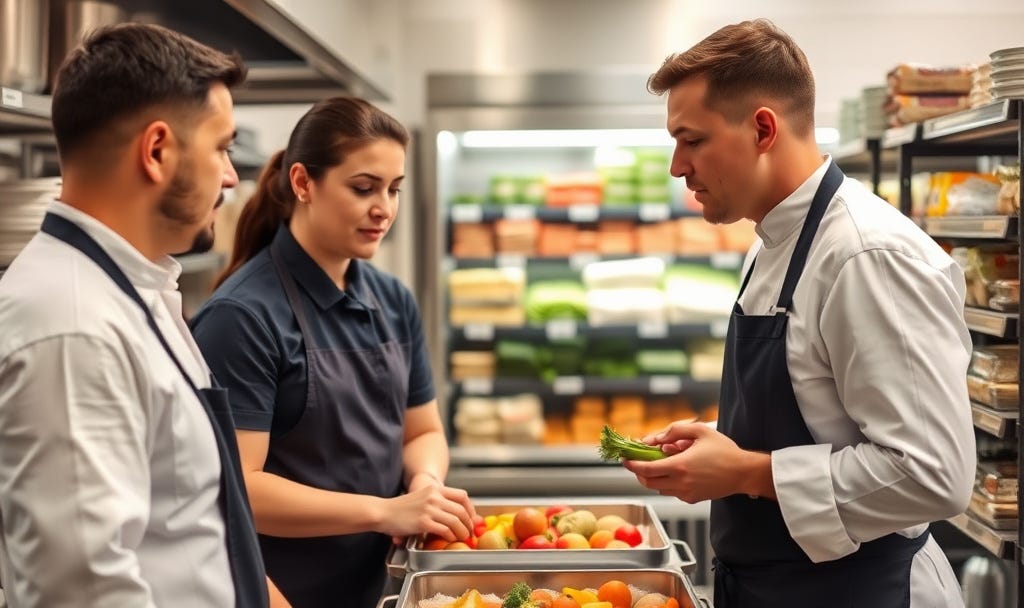
What began as practical planning soon became something more valuable: camaraderie and trust among everyone involved.
“Before the kitchen begins, the land has already spoken”
From Soil to Healing
During my years working within a hospital system, these alliances took on an even deeper purpose.
I had the privilege of helping develop a program that invited local growers and purveyors and artisans to collaborate closely with our culinary and sourcing teams. Together we supported initiatives and programs designed to demonstrate how nature’s prescription and soil to soul, thoughtful nutrition can support healing and long-term wellbeing.
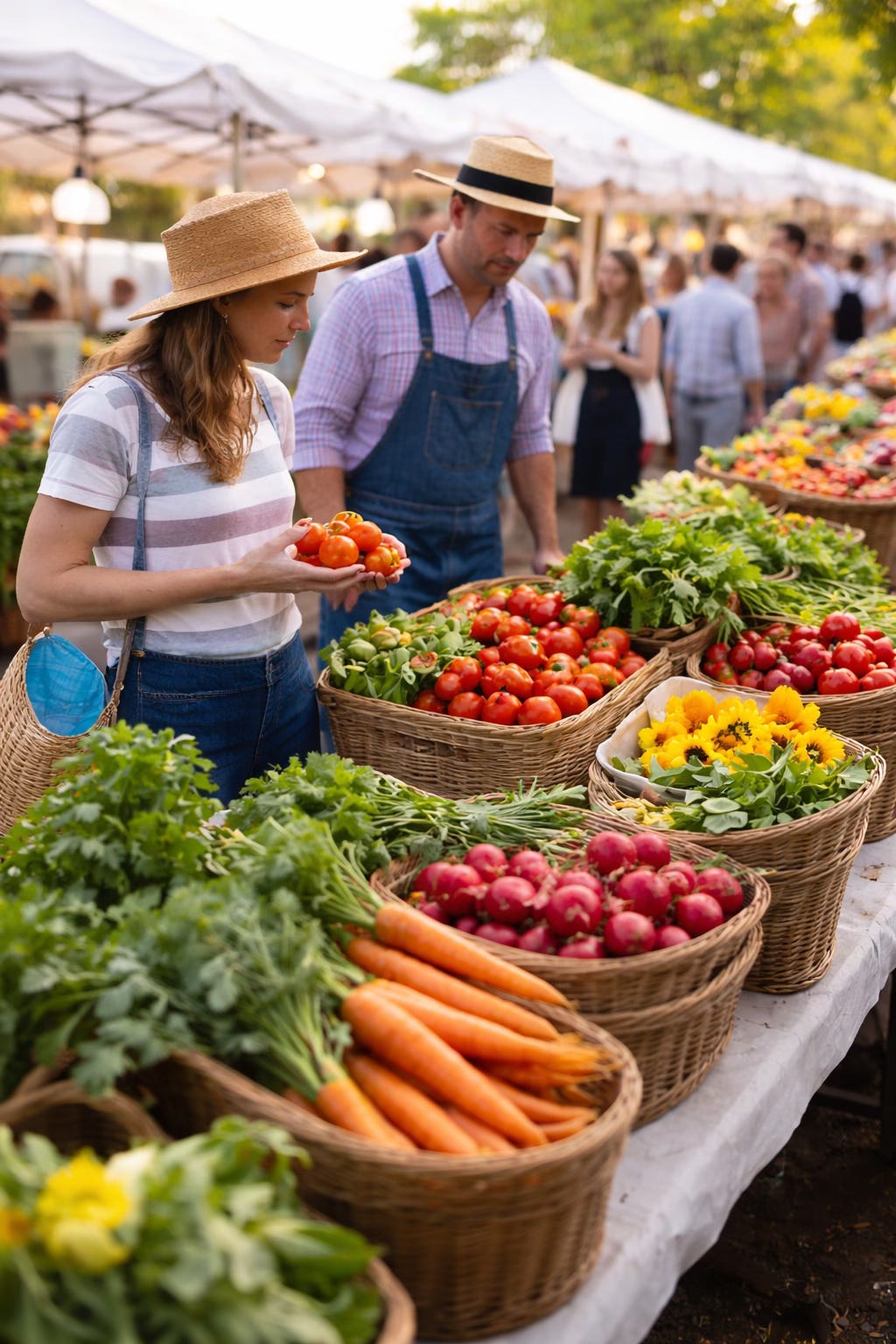
Seasonal harvest from nearby fields became the foundation for recipes used in culinary classes designed to support patient education. Patients and families learned practical ways to prepare nourishing components grown close to home, reinforcing the belief that food can play an important role in recovery and daily health.
These collaborations extended beyond the hospital kitchen. Vendors and farmers were invited to participate in open community events where guests, and visitors could meet the people who produced their seasonal offerings. They shared knowledge of the estate and cycles of harvest, and attendees discovered the value of fresh homegrown crops. Connections formed that strengthened ties among regional agriculture, wellness and society.
Precision and Foresight
Hotels and restaurants must maintain quality while managing budgets and seasonal fluctuations. The acquisition and supply chain teams monitor purveyors, negotiate agreements, and anticipate availability so kitchens can operate smoothly.

They understand when orchards will deliver early fruit, when fisheries will bring the freshest catch, and when vineyards release their newest vintages. Their awareness of timing and sourcing allows chefs to focus on creativity while maintaining consistency for guests.
Much of the work unfolds months before a single guest sits down at the table.
When Connections Matter Most
The true strength of procurement is revealed in moments that require quick thinking and collaboration.
One such moment occurred during preparation for a six hundred guest breakfast scheduled to begin at five in the morning. Every detail had been arranged and provisions confirmed in advance. Late evening before the event, several key items suddenly became unavailable.

Because strong connections had been built with our purveyors, communication moved quickly. Growers stepped forward with alternative resources while the supply chain team coordinated quantities and delivery schedules. The culinary team adjusted preparations accordingly.
By five in the morning, service began exactly as planned. Guests enjoyed breakfast without ever realizing that a challenge had risen the night before.
These moments demonstrate the value of trust and collaboration within the hospitality ecosystem.
The Arc of Hospitality
Through this series we have explored several dimensions of hospitality. The concierge welcomes the guest and guides their experience. The chef transforms components into memorable dishes. Supply chain specialists establish the networks that make those provisions possible.
Together these roles form an arc that connects people, the estate, and service.
Our next reflections will turn toward the table once again as we explore Easter, followed by a closer look at the world of the sommelier, where terroir, vineyards, and pairing complete the story of hospitality.
“The best days begin with the land and its harvest” – Kiran Robinson
Thank you for reading and for your kind words. I’m delighted the story of the people and partnerships behind hospitality resonated with you.
The idea that sourcing relationships built for a hotel kitchen could translate into patient education and community wellness is a genuinely moving extension of the same logic, that knowing where food comes from, and who grew it, changes your relationship with it. That feels important in a context most people would never connect to hospitality at all.